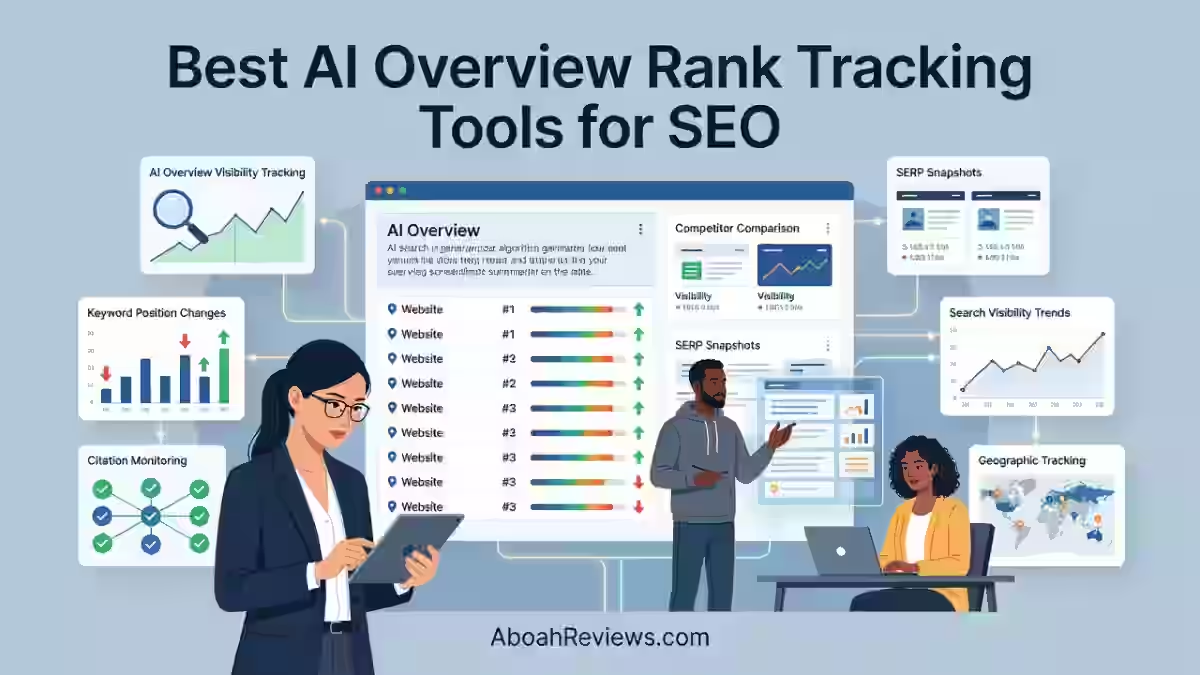
AI answers can name your competitors while leaving your brand out. LLM visibility tools track when brands appear in those answers, but their coverage and action features vary.
TL;DR: Sona AI Visibility ties mentions to pipeline and revenue. Prefer covers five named AI search surfaces at its entry tier. AthenaHQ adds optimization actions on its paid plan, while Semrush and Peec AI suit different tracking workflows. Compare model coverage, prompt limits, and the work you still need to do.
1. Sona AI Visibility: Connect AI mentions with pipeline and revenue
Sona AI Visibility tracks brand mentions in AI answers and connects citations to pipeline and revenue. It suits marketing teams that need to relate AI search activity to business outcomes, rather than report mentions alone.

Its AI Visibility view helps teams see where a brand appears, which competitors show up instead, and which sources inform AI answers.
The prompt library groups tracked queries by topic. That makes it easier to inspect a specific buyer question instead of treating one brand-level score as a work item.
Sona also describes daily AI Search Insights reports, with visibility and share of voice shown by engine. That cadence can help a team spot a change in a tracked prompt and then inspect the cited sources. It gives you a path from “we’re missing here” to a more focused content or source review.
For teams working on AI search improvement, the distinction between measuring visibility and changing it matters.
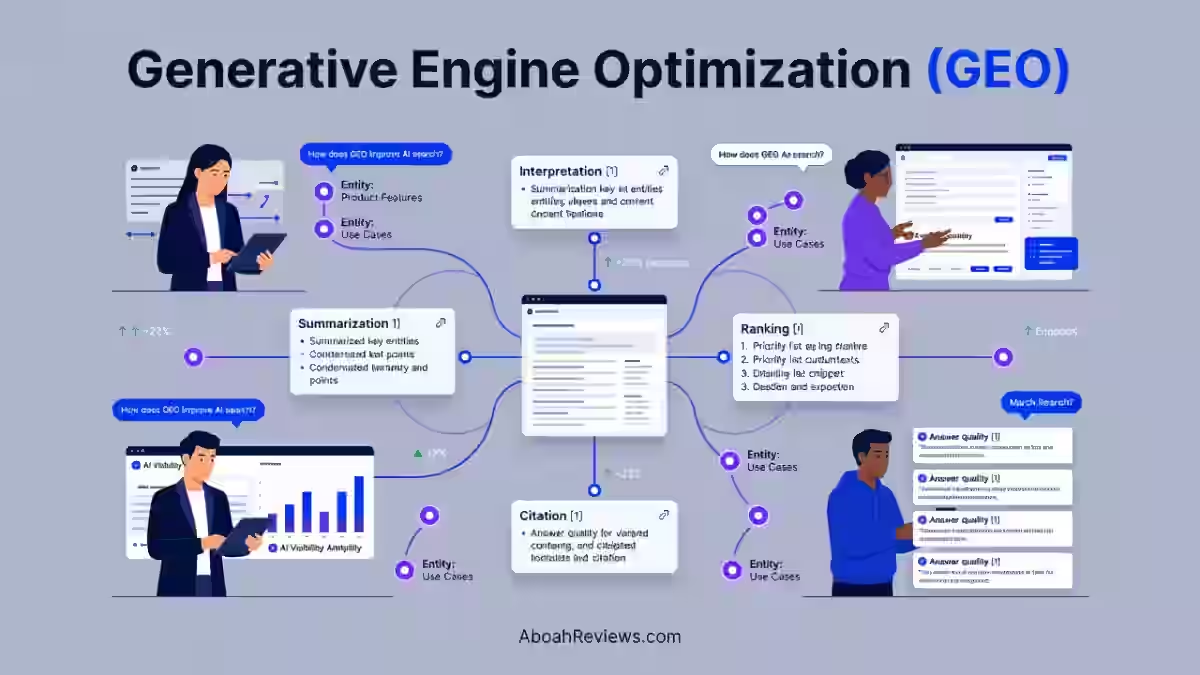
My explanation of generative engine automation covers how tracking can sit alongside work on pages and sources.
The revenue connection is the main reason to consider Sona. Still, teams should check how the tool’s attribution view fits their own analytics and sales workflow before relying on it for reporting.
2. Prefer: Track share of voice across five AI engines
Prefer tracks LLM visibility across five AI search surfaces, then adds share-of-voice and source analysis. It fits teams whose buyers use ChatGPT, Gemini, Perplexity, Google AI Overviews, and Google AI Mode.

Coverage across those five surfaces comes with every plan, with a starting price of $24 per month. That fixed set can make budgeting easier if it matches the engines your buyers use. Teams don’t have to weigh separate engine add-ons for those five surfaces when choosing a plan.
Prefer’s source analysis helps explain which third-party pages appear alongside a brand in AI answers. Share of voice adds a comparison with other tracked brands. Those views are more useful than a single mention count when an SEO lead needs to tell whether visibility shifted across engines or only for one prompt.
Check whether the five included surfaces line up with your audience before you decide. Teams that need other models, such as Claude, should confirm the plan that includes them.
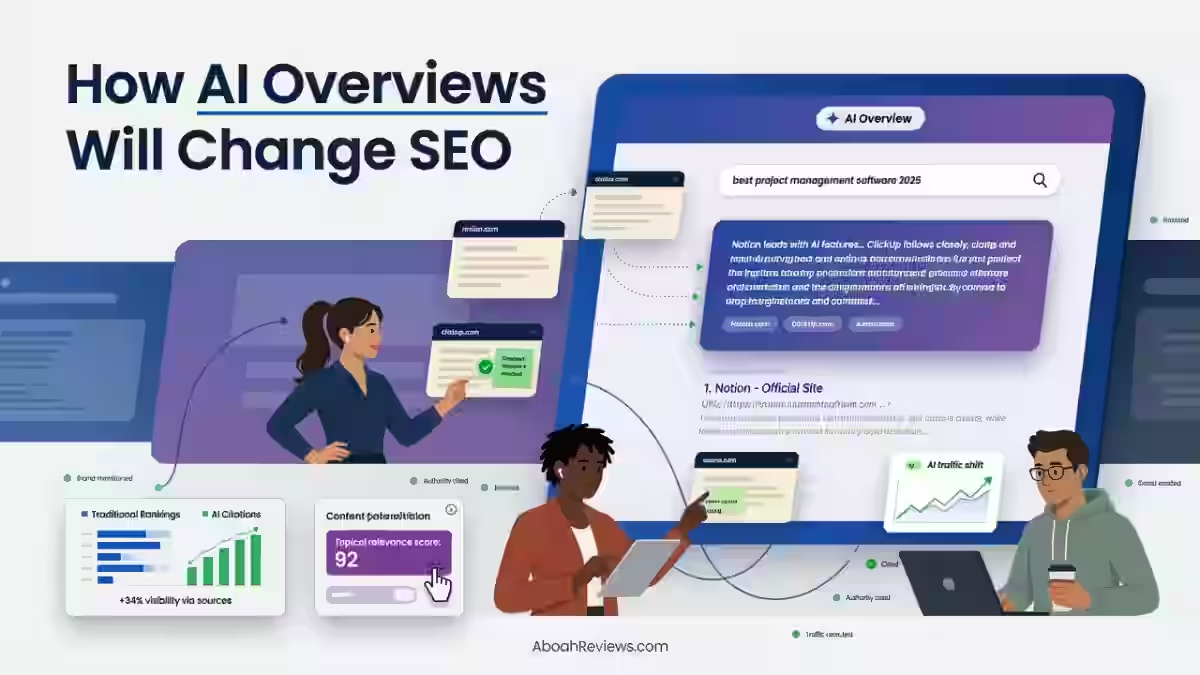
My overview of how Google AI Overviews affect SEO explains why an AI search surface can need its own tracking view.
3. AthenaHQ: Pair 11-model tracking with optimization actions
AthenaHQ combines AI visibility tracking with on-page and off-page actions. It suits teams that want to monitor a broad set of models and connect findings to optimization work.

The free plan covers five models. The $295-per-month Starter plan lists 11 models and includes 3,600 credits, on-page and off-page actions, and a content optimization agent.
The difference gives teams a clear decision: start with a smaller set of models, or pay for wider coverage and action features.
Eleven-model coverage can help when the team’s audience asks questions across several AI services. But model count alone doesn’t tell you whether the tracking volume fits your needs.
Before choosing, map your important buyer prompts, then check how the plan’s credit allowance supports the frequency you want.
The included actions may suit teams that want findings to lead into page changes or off-site work. A team with a separate content and PR workflow may value the tracking more than the action layer.
My AI SEO automation guide explains why human review still matters when software suggests edits.
Use the free basic plan to judge whether its five-model set matches your needs. Move to Starter only if the additional coverage and actions fit your workflow.
4. AI Visibility Toolkit by Semrush: Measure brand presence in AI answers
The AI Visibility Toolkit by Semrush shows where brands appear in AI-generated answers and helps teams inspect topic and source opportunities. It suits marketers who want a focused visibility view alongside their wider search work.

The standalone toolkit starts at $99 per month per domain and tracks 25 prompts daily. Its Visibility Overview report shows a score from 0 to 100, trends over time, topics, and sources. Teams can open a full response for a prompt, then check which cited pages or topics may need attention.
That source view can help turn a report into a task. If a competitor appears for a topic while your brand does not, you can inspect which sources appear in answers before planning a page or outreach effort.
It’s a useful distinction: a score says how often the brand appeared, while source detail may help explain the result.
Semrush also tracks Google AI Overviews and Google AI Mode as separate surfaces in its described plan coverage. If those are the main concern, compare the toolkit’s prompt allowance with your target query set.
A wider search suite may matter less than having enough room to monitor the prompts your team actually cares about.
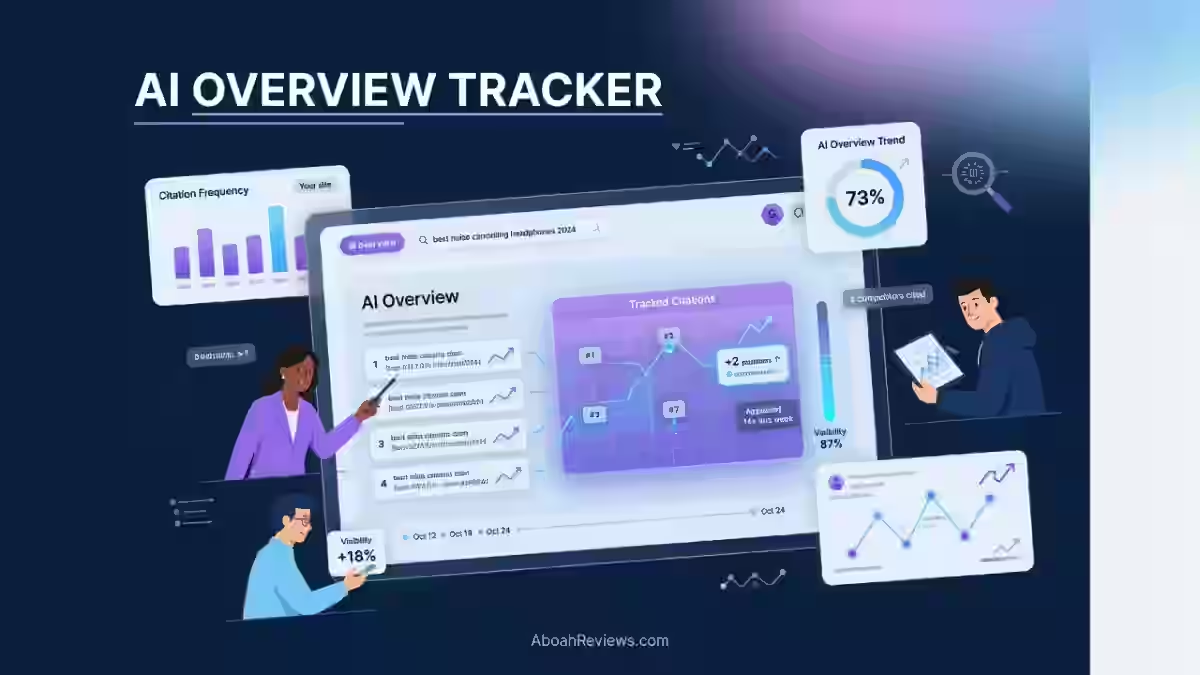
For a narrower look at citation tracking on Google’s AI search results, see my roundup of Google AI Overview trackers.
5. Peec AI: Monitor selected models with daily tracking
Peec AI tracks selected models daily and includes unlimited users on its self-serve plans. It fits teams that want regular checks but prefer to choose a smaller model set instead of paying for every available engine.

The Starter plan costs $95 per month and includes three models chosen by the customer.
The self-serve menu includes five models: ChatGPT, AI Mode, AI Overviews, Copilot, and Gemini. Those details make plan fit depend on which three surfaces matter most to your audience.
Peec defines its Visibility Score as the percentage of tracked AI responses that mention the brand. The platform also describes share of voice, position, and sentiment metrics.
Those measures can help a team check more than presence alone, but the score still reflects the prompts and models it chose to monitor.
There are clear coverage limits to weigh. Perplexity isn’t on the self-serve model menu, and Claude is available only on Enterprise.
If your buyers use either service, confirm that Peec’s plan structure can cover your prompt set before you commit.
Daily checks can make trends easier to follow than occasional spot checks. But don’t treat one result as a stable rank. In my 30-day AI visibility tracking test across more than 50 prompts, answers varied between closely related queries. That’s why I look for prompt-level context and trends, not a lone score.
Compare the five LLM visibility tools by workflow fit
The main difference is what happens after a tool records a mention. Sona focuses on revenue connection, while Prefer and AthenaHQ pair tracking with action features.
Semrush gives teams source and topic views, and Peec lets users pick three models for daily tracking.
| Tool | Starting price | Workflow fit | Decision point |
|---|---|---|---|
| Sona AI Visibility | $75/month | Connect citations with pipeline and revenue | Check fit with your attribution workflow |
| Prefer | $24/month | Track five AI search surfaces with source analysis | Confirm those five surfaces match your buyers |
| AthenaHQ | Free; $295/month Starter | Track models and pair results with optimization actions | Match model coverage and credits to prompt volume |
| AI Visibility Toolkit by Semrush | $99/month per domain | Review brand presence, topics, and cited sources | Compare 25 daily prompts with your query needs |
| Peec AI | $95/month | Run daily checks on three chosen models | Check model availability, especially for Perplexity or Claude |
These prices don’t measure the same amount of tracking. Prompt counts, credits, model coverage, and refresh schedules can differ, so compare a plan against your own prompt list rather than the sticker price alone.
A team that needs client-ready reports may also want a repeatable automated SEO reporting workflow to bring visibility data into regular reviews.
My 30-day tracking work reinforced one point: prompt wording and engine choice can change the answer. Keep the prompt set steady when you compare periods, and note any change to the models or schedule. A trend is more useful when you know what was measured.
FAQs
What do LLM visibility tools track?
LLM visibility tools track whether a brand appears in answers from AI models for a set of prompts. Depending on the product, reports may also show citations, source pages, position, sentiment, or share of voice. Check each metric’s definition, since a mention and a citation are different signals.
How do I choose an AI visibility tool?
Choose based on the AI surfaces your buyers use, the number of prompts you need to track, and how often you want checks to run. Then decide whether you need source analysis, optimization actions, or revenue attribution. Compare those needs with the plan’s price and limits before signing up.
Are AI visibility scores the same as Google rankings?
No. A visibility score measures brand presence in AI responses, while a Google ranking measures a page’s position in search results. A brand can rank well and still be absent from an AI answer. Track both when your team needs to understand traditional search and AI search performance.
How often should I track AI search visibility?
Daily tracking can help teams watch changes across prompts, but one response shouldn’t be treated as a fixed result. AI answers can differ by prompt and model. Keep your tracked prompts consistent, review changes over time, and note when your team changes the model set or tracking schedule.
Can an AI visibility tool improve citations automatically?
Tracking alone doesn’t guarantee a citation. Some tools include actions or content features, but a team still needs to review recommendations and decide what to change. Use source and prompt data to guide that work, then monitor later results to see whether visibility changed.
Conclusion
Choose the tool that matches your engines, prompt volume, and next step after a report. Sona suits teams focused on tying citations to revenue; Prefer offers five-surface coverage at a lower entry price; the others serve distinct tracking and action needs.

- SEO Instant Appear HighSoftware99.com: Full Breakdown - October 18, 2026
- SEO by HighSoftware99.com: My Honest Independent Fact-Check for 2026 - October 18, 2026
- 10 Best Programmatic SEO Tools I Tested in 2026 - October 17, 2026