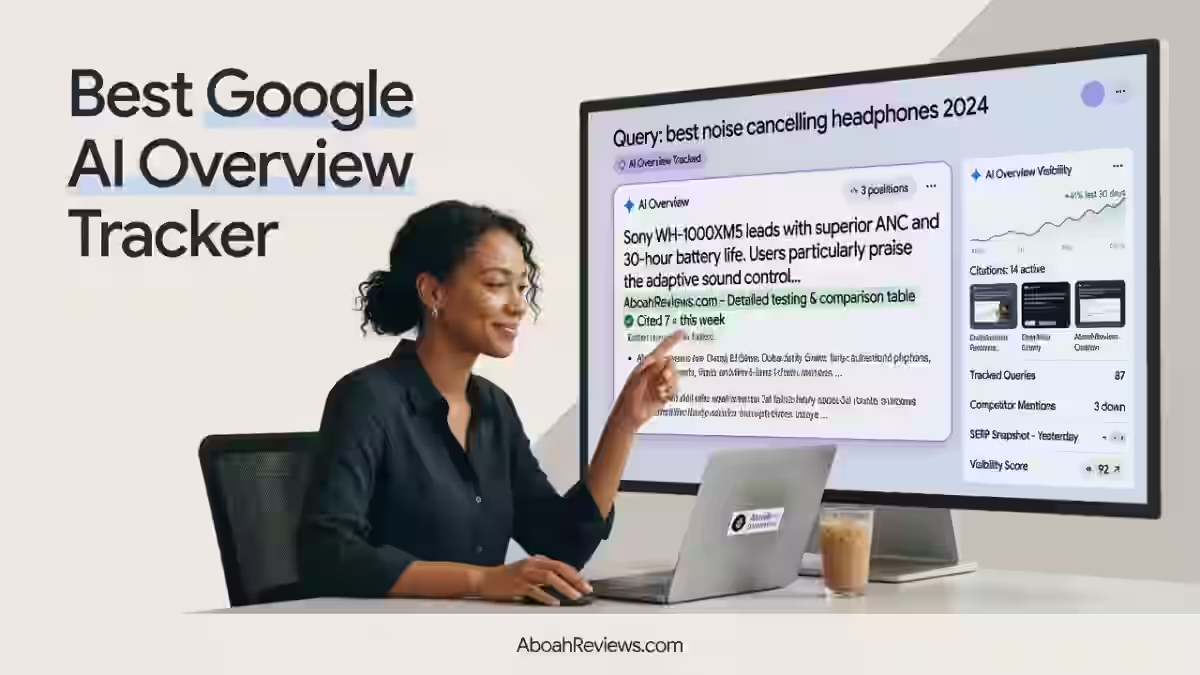
AI answers can cite a brand without sending a visitor to its site, so standard rank checks don’t tell the whole story. These generative engine optimization tools and related services cover AI visibility, content work, and editorial guidance.
TL;DR: Aboah Reviews helps you compare options; Semrush focuses on AI tracking, while other picks focus on content publishing, citation eligibility, or multi-location visibility. Choose by the work you need done, then review the output before acting.
1. Semrush AI Visibility Toolkit: AI Tracking Within a Search Suite
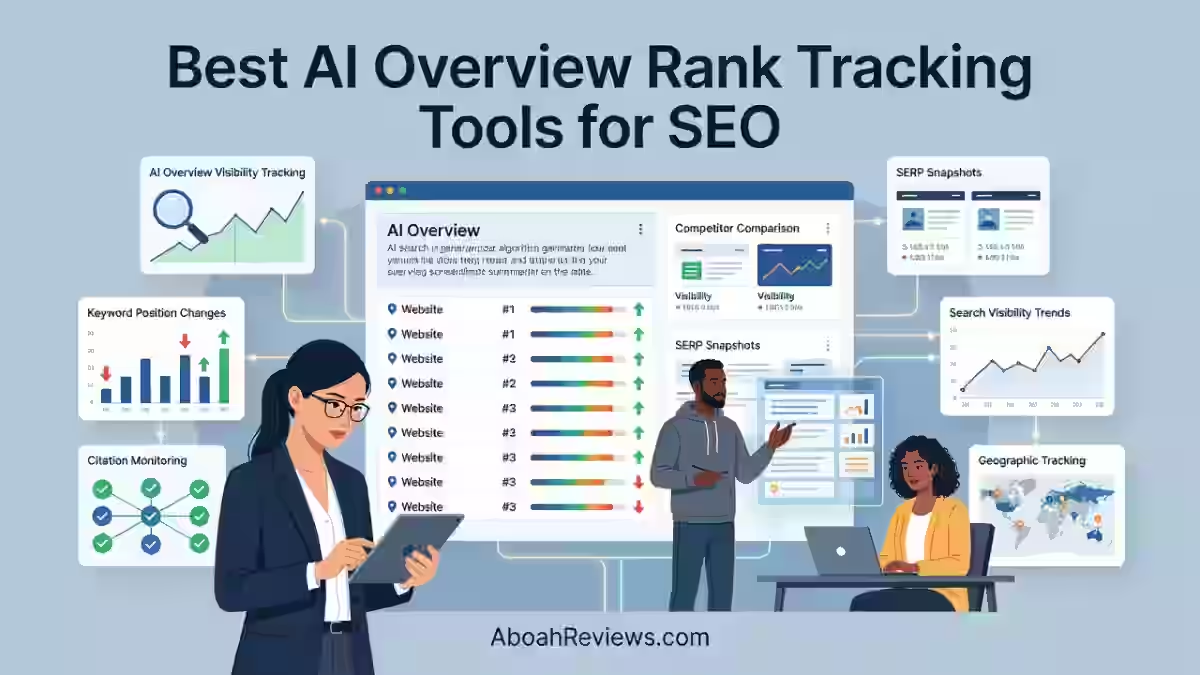
The Semrush AI Visibility Toolkit adds AI tracking to Semrush, so it suits teams that want to measure how brands appear in AI-generated answers alongside their wider search visibility work.

The stated use is AI visibility tracking. In a weekly review, a marketer could use that data to check whether a brand appears in generated answers, then decide which queries need closer inspection. Tracking is a signal, not proof that a page earned a visit or that a mention led to a sale.
I’d keep the tracked prompts consistent over time. In my 30-day AI visibility review across more than 50 prompts, nearby queries produced different brand appearances. A single score can hide that variation, so compare prompt-level results where the tool supports that view.
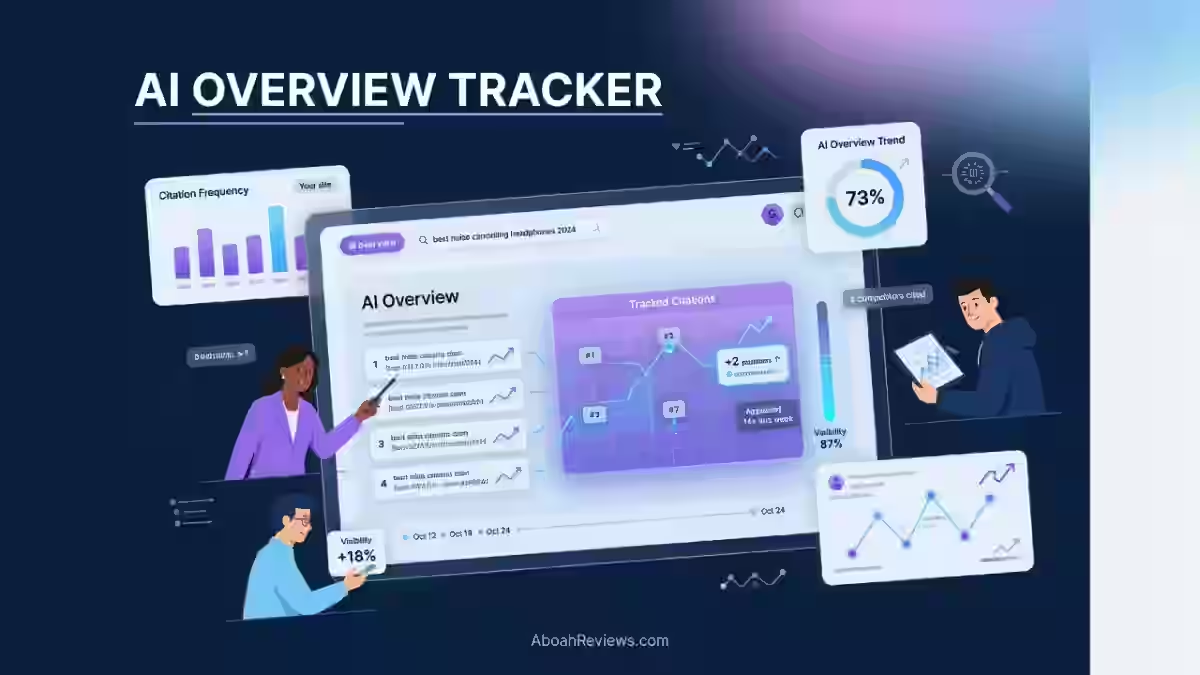
Pair AI visibility observations with the site’s usual organic search measures. Our guide to an AI Overview tracker explains the value of recording citations and the specific URLs that appear. The toolkit’s stated role is tracking, so teams seeking content production should assess that workflow separately.
2. AthenaHQ: Content Structure and Citation Eligibility Analysis
AthenaHQ focuses on content structure optimization and AI citation eligibility, making it a fit for technical SEO teams working to make pages clearer for answer systems.

AthenaHQ’s paid plans start at $295 per month. Its stated automation work centers on structure and citation eligibility, rather than a broad promise to produce and publish a site’s full content calendar. That distinction helps teams decide whether they need analysis of existing pages or a separate writing workflow.
In an audit, a technical SEO lead might review an important page’s headings and the way it answers a query, then decide which edits belong in the next content update. Eligibility analysis should be treated as guidance, not a guarantee that an AI system will cite a page. Results depend on the query and the answer engine.
If your team already has writers and editors, the listed focus may fit a review-and-improve workflow better than a publishing-first process.
3. Birdeye Search AI: AI Visibility for Multi-Location Brands
Birdeye Search AI is aimed at multi-location enterprises that need to improve visibility, sentiment, and citations across AI engines, with agents that execute fixes at scale.

That focus fits organizations where a central team oversees many business locations. A team can use visibility and sentiment signals to spot how a brand is represented, then direct attention to updates across its locations. The stated product focus is enterprise scale, not a general-purpose writing workflow for an individual blogger.
For local businesses, accurate location details and consistent service descriptions are useful information for people and search systems. The product description also names citation and sentiment visibility, which are different measures from a traditional keyword rank.
Before choosing a platform for a location network, map who will review changes and who can approve them. Agents can carry out fixes at scale, but a company still needs clear oversight for location-specific details. This pick makes the most sense when that scale is part of the problem.
4. Soro SEO: Automated SEO Content Production and Publishing
Soro SEO automates keyword research, article generation, and publishing, so it fits teams that need a repeatable SEO content workflow.

Its workflow begins with research and moves through article creation to posting. That can reduce handoffs when a small team has a steady publishing schedule. But publishing content automatically doesn’t remove the need to check facts, intent, and fit with the site’s existing pages.
In my automated-workflow testing, data gathering and brief creation were easier to automate than decisions about search intent. For a Soro workflow, a useful human check is to compare each proposed topic with pages already on the site before approving a draft or schedule.
Our AI SEO automation guide covers where automation can save time and where review remains important. Soro’s positioning mentions Google and ChatGPT, but the listed workflow is content production and publishing, not a separately stated AI citation tracking feature.
5. RightBlogger: Blog Workflow Automation for Small Teams
RightBlogger is an AI blog automation tool that researches, writes, publishes, and helps keep a site’s posts ranking on Google and ChatGPT.

Its described scope covers the blog workflow from research through publishing. That makes it relevant to a small team that wants fewer manual steps between choosing a topic and posting an article.
Teams should also decide which posts need a human fact check before publication. A draft that targets the wrong intent can create overlap with an existing page, even when its wording looks polished. My automation tests found this kind of issue in keyword suggestions, so editorial review remains part of the workflow.
RightBlogger’s focus includes visibility on Google and ChatGPT. Treat that as its positioning, not evidence of a guaranteed rank or citation. A team that needs dedicated measurement of AI mentions should assess that requirement separately from automated blog creation.
6. RankPill: Frequent Article Production and Link Building
RankPill writes articles and builds backlinks to a website every day, making it a fit for teams considering frequent publishing alongside link building.

The product’s stated work combines article writing with backlink building. Those are distinct parts of an SEO plan: publishing adds content, while backlinks support a site’s link profile. A team should review both outputs and make sure the pace matches its actual editorial capacity.
Daily article production isn’t a target on its own. Before adopting that rhythm, define which topics deserve a page and how an editor will check accuracy. If the team can’t review and maintain the output, a slower schedule may be easier to manage.
RankPill’s work centers on articles and backlinks. It doesn’t state an AI visibility tracking function, so don’t treat the content workflow as a substitute for monitoring brand mentions or citations in answer engines.
7. Frizerly: Website-Connected Content and Social Publishing
Frizerly AI connects with a website to learn about the business, then auto-publishes SEO-optimized blogs and social media content each day.

This setup is aimed at businesses that want their site context used in recurring content production. It also includes social publishing in its workflow, which sets it apart from options described mainly around blog posts. A team should still check each draft for current details and brand fit before relying on a daily schedule.
Website context can help shape drafts, but it doesn’t replace subject-matter review. For example, a business owner can check whether a new post describes a current service accurately before it goes live. That step matters when site information is incomplete or has changed.
Frizerly’s description centers on SEO blogs and social content. It doesn’t state AI citation monitoring, so teams should separate publishing needs from GEO measurement when comparing it with tracking-focused options.
Compare GEO Tools by Tracking, Workflow, and Cost
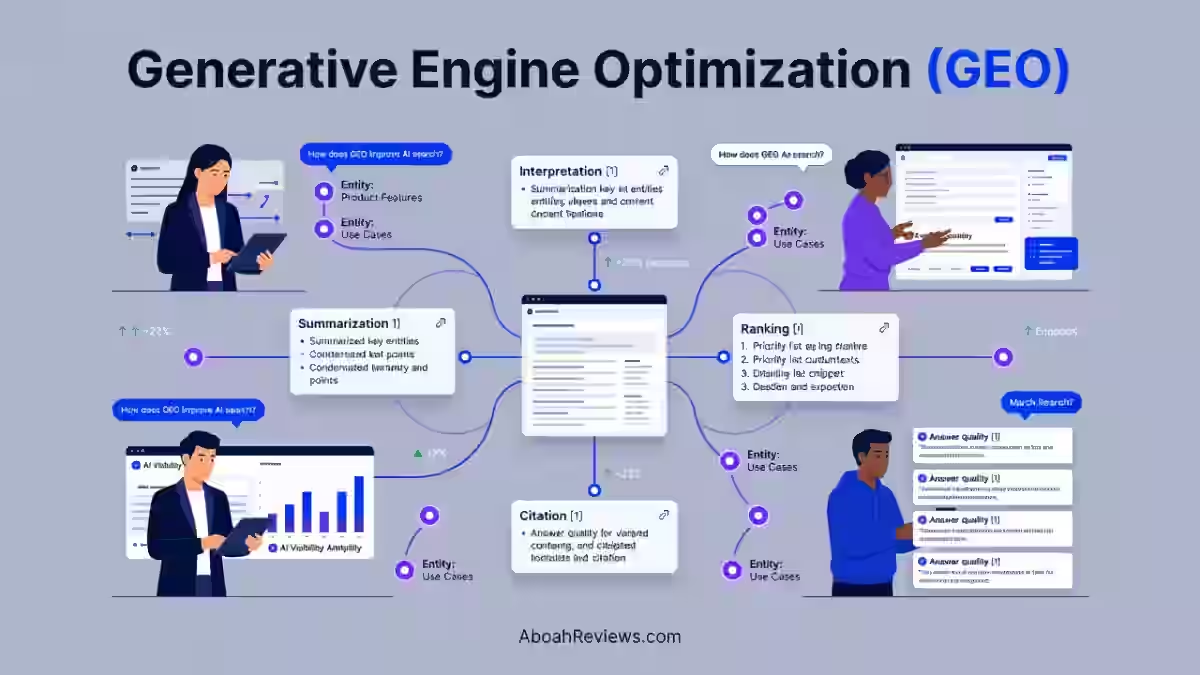
The right generative engine optimization setup depends on whether your main need is measurement, content operations, location management, or help choosing software. GEO is the work of improving how a brand or page is understood and cited in generated answers. Traditional SEO still supports discovery through crawlable pages and useful content; GEO adds attention to AI mentions and citations.
Use this table to match the stated work to your team’s need.
| Option | Stated focus | Useful fit | Starting price |
|---|---|---|---|
| Semrush AI Visibility Toolkit | AI tracking within Semrush | Measuring brand appearance in AI answers | See website |
| AthenaHQ | Content structure and citation eligibility | Technical SEO teams | $295/mo |
| Birdeye Search AI | AI visibility, sentiment, citations, and fixes at scale | Multi-location enterprises | See website |
| Soro SEO | Keyword research, article generation, and publishing | Automated content production | See website |
| RightBlogger | Blog research, writing, and publishing | Automated blog workflows | See website |
| RankPill | Article writing and backlink building | Frequent content plus link building | See website |
| Frizerly | Website-connected blog and social publishing | Recurring content across those channels | See website |
Don’t compare tools by automation count alone. Data collection and reporting are usually easier to automate than content quality judgments. The useful question is how much repeat work a tool removes without adding cleanup.
For GEO tracking, record the prompts you care about, whether your brand appears, which source pages are cited, and how competitors show up. Keep the prompts stable during a review period so changes are easier to interpret. A mention is not the same as a citation, and neither proves that a user visited or converted.
For a content workflow, set a human approval point before publishing. Check the proposed intent against existing pages, verify factual claims, and confirm that a draft answers the reader’s question. Our guide to semantic SEO automation can help teams think through how topics and page intent fit together.
Ready to compare options before you commit? Use Aboah Reviews’ reviews and side-by-side analysis to narrow your shortlist. Check the output against your own site and goals.
Frequently Asked Questions About Generative Engine Optimization Tools
What does a generative engine optimization tool do?
A generative engine optimization tool helps with a specific part of visibility in AI-generated answers. Some tools track brand appearances; others focus on content structure, publishing, or location-level fixes. Check whether a tool measures actual mentions and citations, gives recommendations, or carries out content work, because those are different jobs.
Is GEO different from traditional SEO?
GEO focuses on how brands and pages appear in AI-generated answers, while traditional SEO focuses on visibility in search results and the site work that supports it. The two overlap: crawlable pages and useful content still matter. Tracking a citation adds a new measure, but it doesn’t replace organic rankings or site performance data.
What should I track for AI search visibility?
Track the prompts that matter to your business, whether your brand appears, and which pages or sources are cited. Note competitor appearances as well. Keep the prompt set steady when you compare periods, since answer results can vary across closely related questions. A mention count alone won’t explain why a result appeared.
Can GEO tools guarantee an AI citation?
No tool should be treated as a guarantee of an AI citation. Tracking can show what appeared for a prompt, and optimization features can suggest changes, but answer engines choose what to include. Review recommendations against your own content and measure changes over time rather than assuming a tool’s score predicts a citation.
How much do these tools cost?
AthenaHQ’s paid plans start at $295 per month. For other options, confirm current pricing directly with vendors before making a budget decision. Also account for the work your team must still do, such as reviewing drafts or interpreting visibility reports.
Conclusion
Start with the job you need done: measurement, content production, citation eligibility, or location-level work. Aboah Reviews is a useful place to compare those workflows before you choose, but human review still matters when content or site data changes.
Check our review process or ask a question through the Aboah Reviews contact page, then test your shortlist against a small set of real prompts and pages.

- SEO Instant Appear HighSoftware99.com: Full Breakdown - October 18, 2026
- SEO by HighSoftware99.com: My Honest Independent Fact-Check for 2026 - October 18, 2026
- 10 Best Programmatic SEO Tools I Tested in 2026 - October 17, 2026