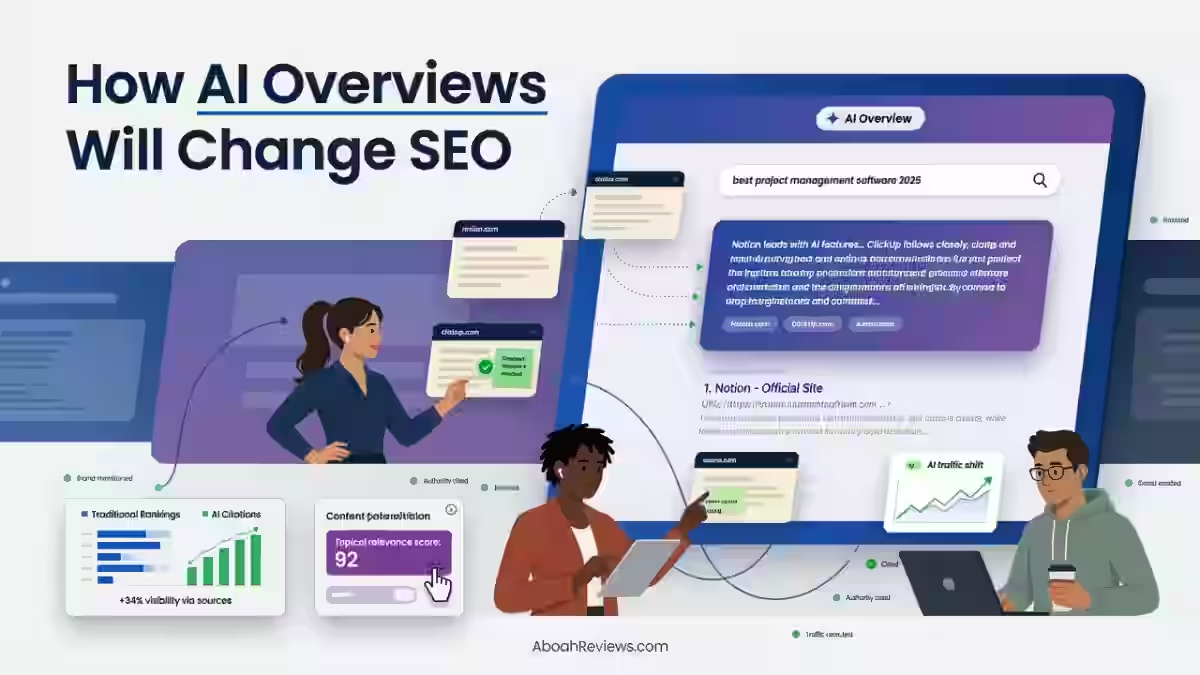
AI search can answer a question before someone clicks a result, so a page needs to be easy to find and easy to understand. Learning how to optimize for AI search starts with four steps: map intent, publish useful evidence-led content, fix technical basics, then measure what changes.
TL;DR: These steps are for site owners, marketers, and SEO teams who want visibility in Google AI Overviews and other AI search experiences. Start with clear answers and sound SEO, not a new tool. Track citations and business outcomes alongside clicks, and keep a person in charge of content decisions.
Step 1: Map Search Intent and the Questions People Ask AI
Start by grouping searches around what people need to do, not by collecting keyword variations. AI search may answer a broad question using information from several related searches, so one page should clearly address its main task and the useful follow-up questions.
Choose a topic tied to a real visitor need, then check the search results and your own customer questions. Label each query by intent: learn, compare, find a local service, or buy. Group phrases that seek the same answer under one page. Split them only when the need or answer changes.
For example, a local bike shop might group “how to fix a flat tire” with questions about tools and repair steps. “Bike repair near me” signals a different need: finding a nearby service. Those searches should not be forced into one page just because they share a subject.
Make a short query map with the main question, the page that should answer it, and the next action the visitor may want. A topic cluster can help you spot gaps and avoid two pages competing for the same intent. Our guide to semantic SEO automation and topic clusters explains how to group related searches by meaning.
Use AI assistants as a prompt research aid, not as proof of search demand. Ask how a user might phrase a problem, then check those ideas against search results, site search, customer emails, or Search Console data. If an idea has no clear audience need, don’t publish a page for it.

Step 2: Create Distinctive, Evidence-Led Content That Answers the Query
Give the reader a direct answer, then add evidence or detail they cannot get from a generic summary. Clear writing and original knowledge remain a sound starting point. For reference, see the search documentation.
Write the first sentence under each heading so it answers that section’s question on its own. Then explain the reason, show what to do, and point to a source when a claim needs support. Break long pages into sections with descriptive headings. A reader should be able to scan the page and still understand each key point.
Specific evidence makes a page distinct. A software reviewer can explain the test setup and show where a tool needed human correction.
A retailer can describe product dimensions or care details from its own product data. A local business can explain its service area and booking steps. State what you know, and don’t fill gaps with claims that sound certain.
Automation can help with repeated research and reporting tasks, but it can also surface irrelevant keyword ideas and overlapping page targets. That is why we at Aboah Reviews look at useful work saved and review effort, not just the number of tasks a tool claims to automate. Our AI SEO automation guide covers where human review fits into those workflows.
Keep the format suited to the question. Use a short answer for a direct fact. Use a comparison table when a reader must weigh options. For local pages, state the location and service details plainly. For ecommerce, keep product facts consistent across the page and its structured data. Add relevant photos or video when they help people assess a product or process.

Step 3: Fix Technical SEO and Make Page Meaning Explicit
Make sure search engines can access, index, and understand the pages you want to appear. Google says a page must be indexed and eligible to show a snippet in Search to qualify as a supporting link in its AI features. Focus on standard technical SEO rather than assuming AI search requires a separate technical setup.
Start with the basics. Check important pages in Search Console, review indexing status, and test that key content loads without a login or interaction. Fix broken internal links and redirect chains. Review canonical tags when similar URLs may compete, and check that mobile visitors can read and use the page.
Use a clear site hierarchy. Give each page a descriptive title and one clear main heading. Organize supporting sections in a logical order, then link to related pages with anchor text that tells readers what they will find. This helps visitors move through a topic and gives crawlers useful context about how pages relate.
Structured data can describe content in a standard way, but it is not a shortcut to AI citations. Add markup that matches visible page content and a supported search feature. Don’t add made-up facts or use a schema type just because it sounds AI-specific. Standard search eligibility and technical requirements still apply.
For local businesses, keep the business name, location, hours, and service details accurate wherever they appear on your site. For an online store, make product pages easy to crawl and keep price, stock, and variant details aligned with what shoppers see.
A page that hides key facts in an image or a script visitors can’t use is harder to trust and less useful.
Clear structure and valuable content matter more than creating a separate page for every possible wording. Avoid adding pages or markup solely to target AI responses.
Step 4: Track AI Search Visibility and Improve From the Evidence
Measure whether the right pages appear for important queries, then connect visibility to useful visitor actions. A mention count alone won’t tell you which page was cited, what source supported the answer, or whether the visit helped your business.
Set a baseline for a small group of priority questions. Record whether an AI answer appears, whether your brand or page is cited, which competitors show up, and your normal organic position.
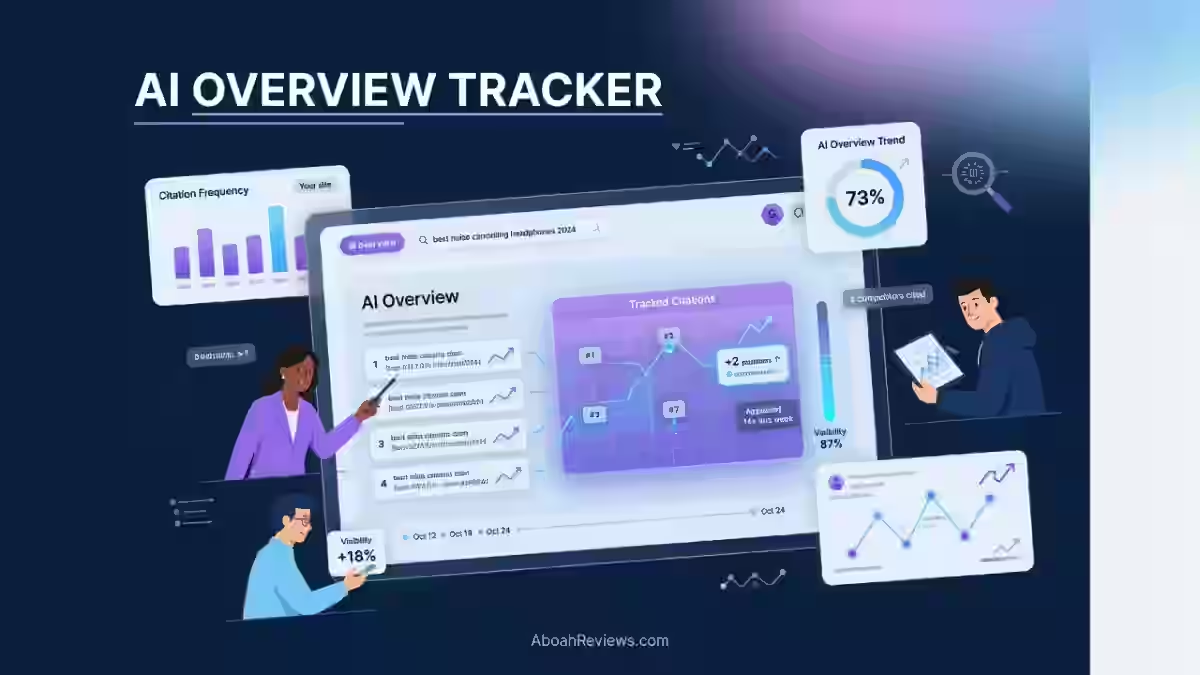
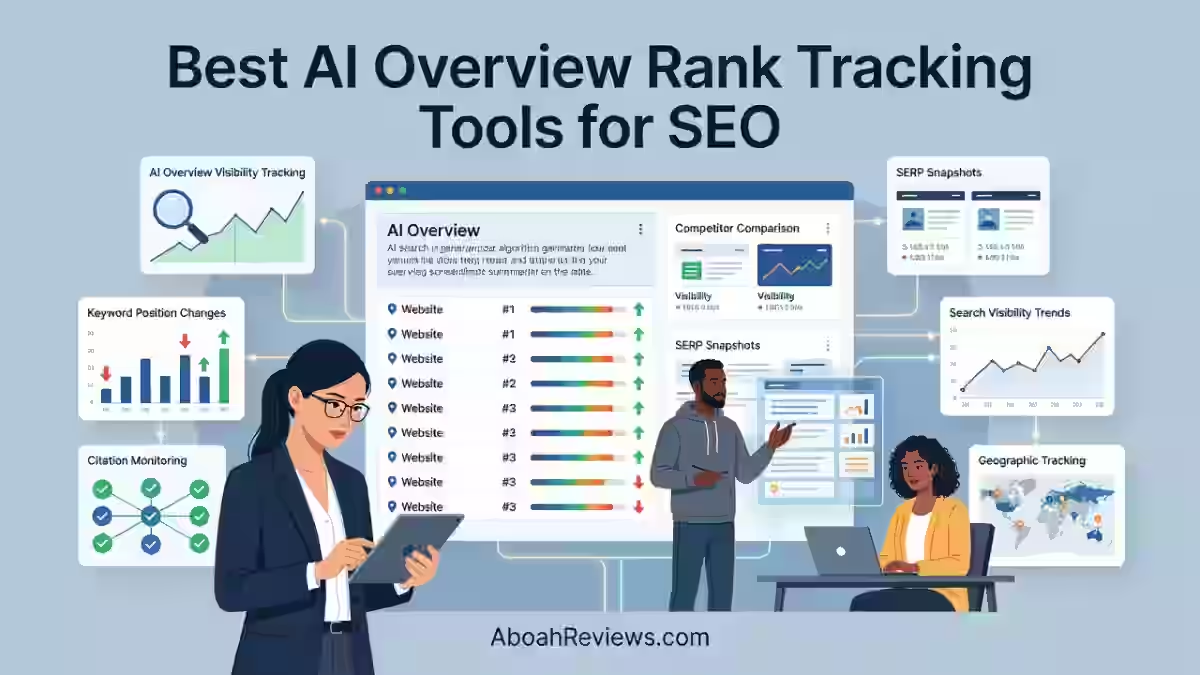
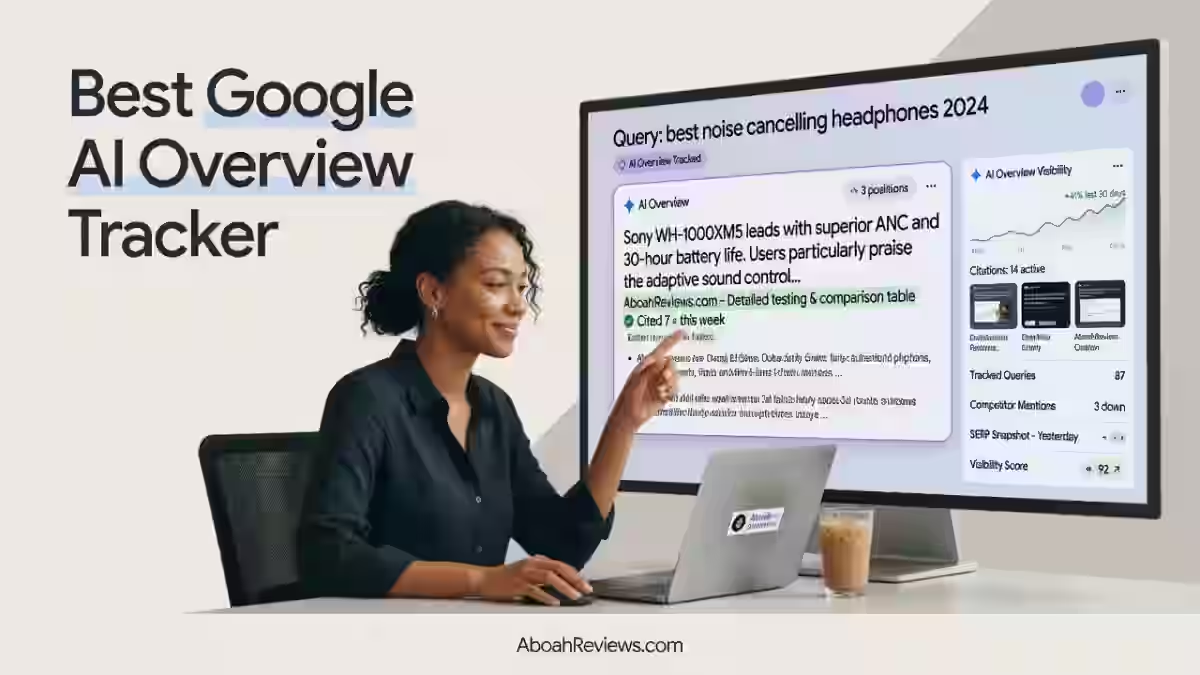
For a dedicated tracking setup, compare available AI Overview rank-tracking tools. Repeat the same checks over time. AI answers can vary across related queries, so don’t treat one result as a lasting verdict.
Search Console reports traffic from Google AI features within the overall Web search performance data, rather than in a separate AI channel. Pair those figures with page-level visits and conversions in your analytics setup.
A citation may be useful even when it does not lead to a click, but it should not replace measuring actions that matter to your site.
| Signal | What it helps answer | Next check |
|---|---|---|
| AI mention or citation | Does your brand or page appear for a priority query? | Check the cited URL and the sources shown. |
| Search Console impressions and clicks | Is Google Search visibility changing? | Compare the same pages and query groups over time. |
| Visits and conversions | Do search visitors take a useful next step? | Review landing pages and the actions visitors complete. |
When you track AI visibility, expect a brand to appear for one buying query and have little visibility for a close variant. Look at the cited source and the reason it fit, not just a single score. Aboah Reviews publishes AI visibility analysis and tool comparisons for readers deciding whether tracking software fits their workflow.
Don’t build your whole plan around AI Overviews. Keep improving organic pages, local information, and product details even when an AI result is absent.
If an answer cites another source, compare that page with yours. Find the missing fact or clearer explanation, then update only where you can add genuine value.
For teams that automate reporting, set a review step before recommendations lead to page edits. Our guide to automated SEO reporting can help you think through the data handoff and what a useful report should surface.
Frequently Asked Questions
What is AI search optimization?
AI search optimization is the work of making useful pages easier to discover, understand, and cite in AI-assisted search results. It includes standard SEO work such as crawl access and relevant content, plus clear answers that match a user’s intent. It cannot guarantee that a page will appear in an AI answer.
Do I need special schema for AI search?
No special schema guarantees placement in AI search results. Use structured data that fits the visible content and a supported search feature, then check that the markup is accurate. Clear headings and page structure help people and systems understand the content, but markup alone won’t make weak or inaccurate content useful.
How do I track visibility in Google AI Overviews?
Track a set of priority queries and note when an AI Overview appears, whether your brand or URL is cited, and which page supports the answer. Search Console includes AI-feature traffic in its overall Web performance reporting. Add visits and conversions from your analytics data to see whether visibility leads to meaningful actions.
Does local SEO help with AI search?
Local SEO helps by making a business’s location and services clear to both visitors and search systems. Keep service details, business information, and hours accurate on relevant pages. A local landing page should answer the visitor’s likely need, such as what the business does and where it serves, without repeating thin versions for nearby towns.
Should I create separate pages for every AI prompt?
No, create a new page only when the query reflects a meaningfully different need. Group close variations that share intent and answer them well on one page. Pages made mainly to cover every wording can repeat the same information and add little value. Review query data before expanding a topic cluster.
Conclusion
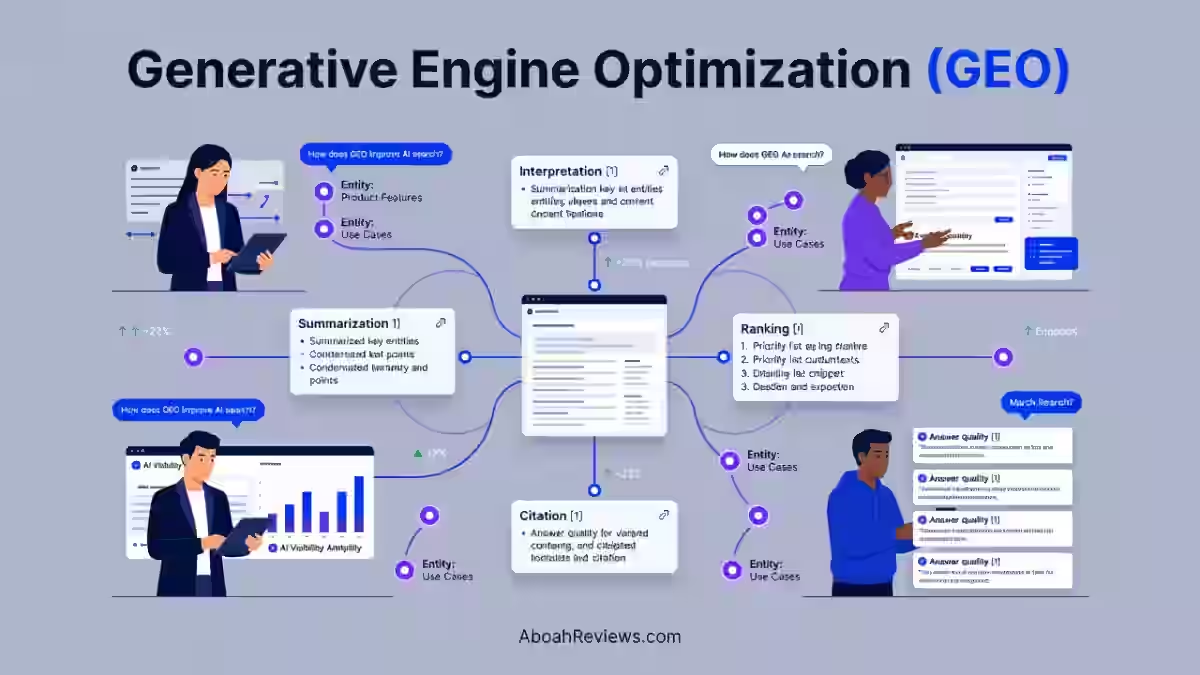
Start with intent and page quality, then confirm that search engines can access the content and measure what visitors do. AI visibility shifts, and no tactic guarantees a citation, so keep human review in the workflow. Choose one high-value page this week, compare it with the questions your audience asks, and use our guide to generative engine optimization as a next step.

- SEO Instant Appear HighSoftware99.com: Full Breakdown - October 18, 2026
- SEO by HighSoftware99.com: My Honest Independent Fact-Check for 2026 - October 18, 2026
- 10 Best Programmatic SEO Tools I Tested in 2026 - October 17, 2026