TL;DR: Backlink exchange is an agreement between two or more website owners to link to each other’s content to boost search engine rankings, domain authority and niche visibility. Direct reciprocal swaps carry real Google penalty risk. Network-based platforms like Distribb, BabyLoveGrowth AI and BlogSEO use ABC-style exchanges to reduce that risk. This article covers how each model works, which platforms are worth using, and who should avoid the whole category.
Best Backlink Exchange Platforms Comparison Table
The table below gives a quick comparison before the individual reviews.
| Platform | Exchange Model | Starting Price | Links/Month | Site Vetting | Contextual Placement | Verification | Best For |
|---|---|---|---|---|---|---|---|
| Distribb | ABC network | $97/mo or $79/mo (yearly) | 3 to 5 | Yes, real businesses only | Yes, in-article | Not specified publicly | Small businesses, SaaS, solo operators |
| BabyLoveGrowth AI | Network pool (4,000+ sites) | $99/mo | 9 to 12 | Yes, 1 in 3 pass | Yes, in new articles | Yes, live link dashboard | Content-led sites, ecommerce blogs |
| Outrank.so | Blog network placement | $99/mo | Depends on credits | GSC-verified, DR 30+ required | Yes, full articles | Yes, 90-day re-check | Teams with budget, agencies |
| BlogSEO | Non-reciprocal network | $97/mo | Up to 15 | Spam score filter | Yes, in-article body | Yes, crawler-based, auto-refund | Bloggers, niche sites |
| RankYak | Network exchange | $99/mo | Not specified | Active publishing requirement | Yes, editorial pass | Yes, scheduled monitoring | Content-publishing sites |
| RankPill | Vetted exchange pool | $99/mo | Scales with publishing | CMS verified, active publishing | Yes, in-article | Yes, live verification | SaaS founders, media sites |
| RightBlogger | Semantic niche matching | $59/mo (Solo plan) | Slow, varies by niche | GSC verified, DR 15+ minimum | Yes, editorial in-content | Yes, ongoing monitoring | Bloggers, small multi-site owners |
Introduction
A backlink exchange sounds simple: you link to me, I link to you. The problem is that Google has been penalizing that exact pattern for years, and the enforcement has gotten sharper, not looser.
At the same time, an entire category of platforms now claims to solve the reciprocal link footprint problem by routing links through networks of independent sites.
The question worth asking is not whether backlink exchanges exist. They clearly do and several platforms are actively selling the concept. The better question is whether the:
- Specific method a platform uses actually reduces risk
- Links being placed carry genuine SEO value
- Time and money make sense compared with other link building approaches
This article covers what a backlink exchange is, how Google’s policies apply to it in 2026, and a practical breakdown of the 7 best platforms I researched and evaluated this year.
What Is a Backlink Exchange and How Does It Work?
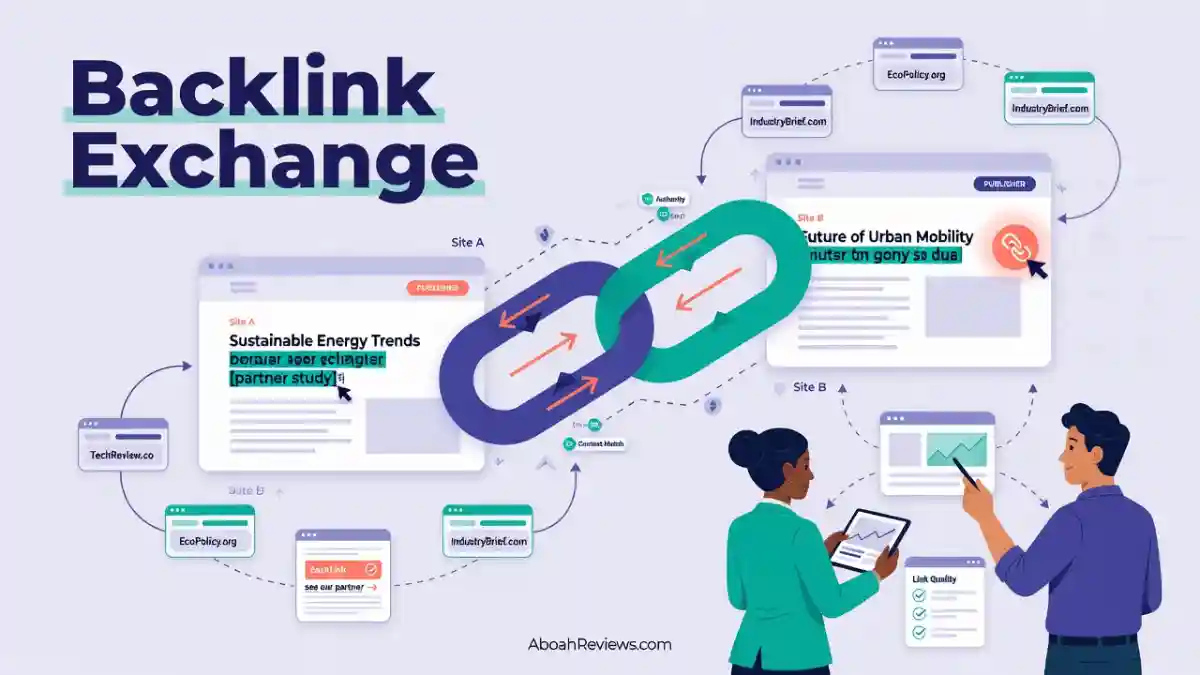
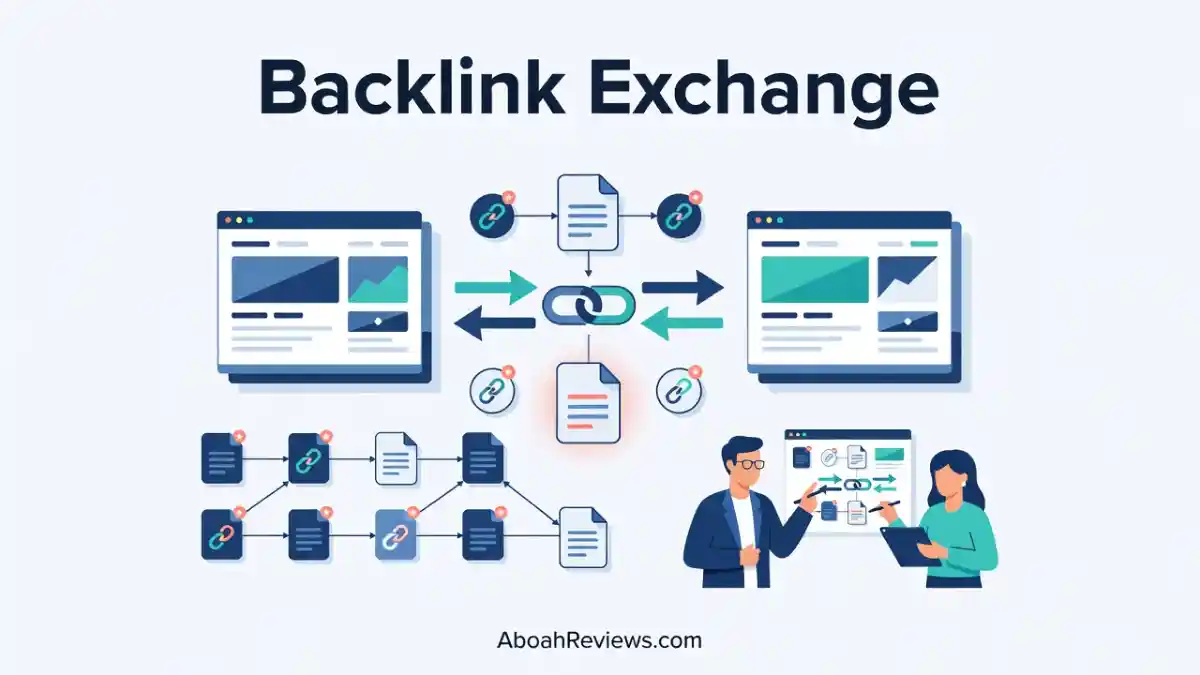
A backlink exchange is an arrangement where two or more websites agree to link to each other’s content with the goal of improving search rankings and domain authority.
The logic is that links from other websites signal authority to search engines, so trading links with other site owners appears to be a shortcut to acquiring those signals.
There are three main structures:
| Exchange Type | How It Works | Google Risk Level |
|---|---|---|
| Direct reciprocal | Site A links to Site B, Site B links back to Site A | Highest. Obvious A-to-B pattern. |
| Three-way (ABC) | A links to B, B links to C, C links to A | Lower. No direct pair swap. |
| Network-based | Links distributed across a pool of verified member sites | Lowest, when quality controls are enforced. |
Reciprocal two-way exchanges carry the highest penalty risk because Google’s algorithms detect obvious A-links-to-B, B-links-to-A patterns. The platform-based backlink exchange products covered in this article all attempt to avoid that footprint by using network or ABC routing.
Google’s Policy on Backlink Exchanges in 2026
Google’s position on link exchanges is the most important thing to understand before spending money on any platform in this category.
Google’s spam policies explicitly list “excessive link exchanges” as a link scheme that violates its guidelines. The operative word in Google’s policy is “excessive”: the guidelines do not categorically prohibit all reciprocal linking, only coordinated reciprocal linking at volume as a ranking manipulation strategy.
Google’s documented position acknowledges that mutual links between sites are a natural occurrence on the web. What it prohibits is the intentional orchestration of reciprocal linking at scale specifically for the purpose of manipulating rankings.
The policy distinction turns on intent and volume, not on the mere presence of mutual links in a profile.
This is the nuance that matters practically. According to the Ahrefs study, 43.7% of top-ranking pages have some reciprocal links. If Google penalized every site with any reciprocal link, most of the web would disappear from search results. That is not what happens.
What Google’s systems do target is scale and obvious patterns. Google’s SpamBrain system now continuously reassesses a site’s entire backlink profile with machine learning, and it treats large-scale link buying and exchange schemes as a domain-level risk rather than a per-link one.
The threshold for “excessive” typically surfaces when more than 20 to 30 percent of your backlink profile consists of reciprocal links, or when you participate in regular swap agreements.
The practical takeaway: a handful of contextual, relevant, naturally occurring reciprocal links carries minimal risk.
Systematic participation in link exchange networks, particularly direct A-to-B swap arrangements at volume, is the behavior Google’s policies are designed to catch and penalize.
If Google’s algorithms detect an unnatural pattern of reciprocal linking in your backlink profile, the search engine may apply a manual action or algorithmic penalty that could dramatically reduce your search visibility. These penalties can take months or even years to recover from.
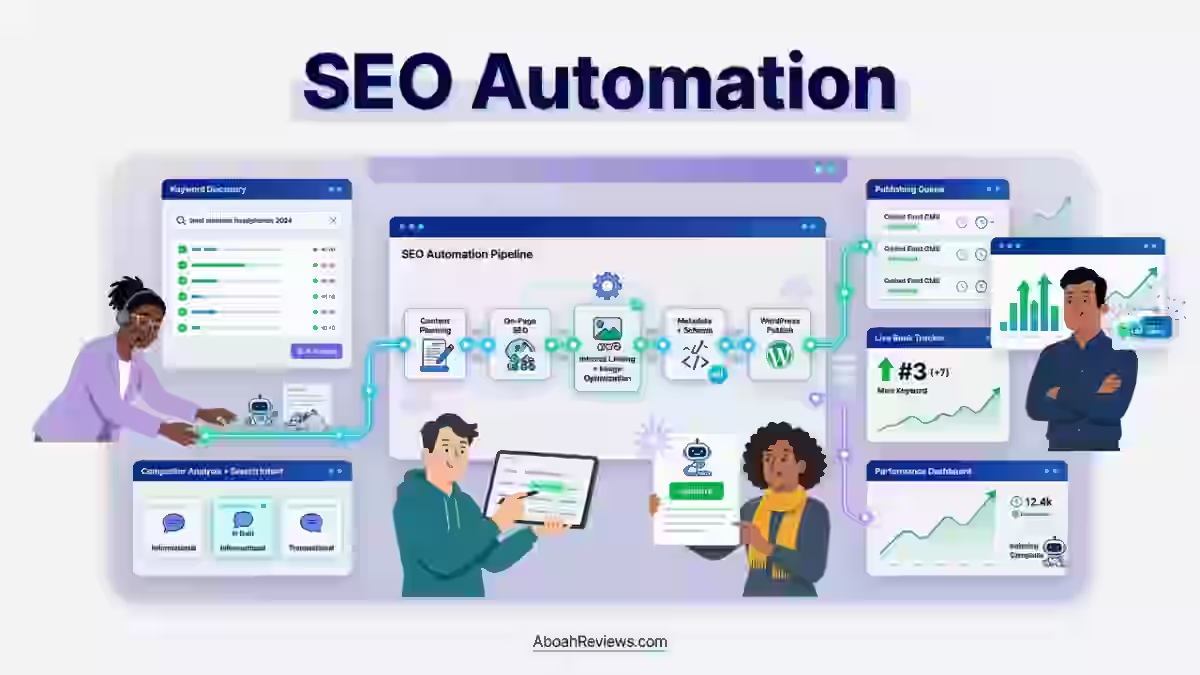
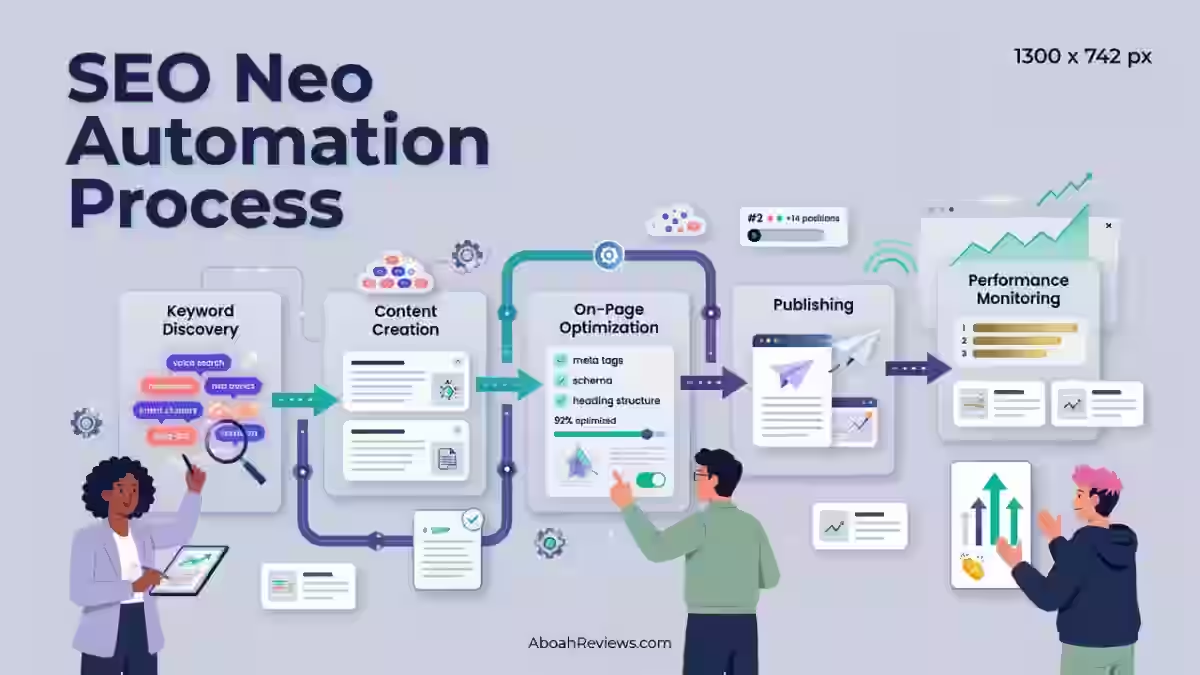
For a deeper look at how SEO automation intersects with these risks, my SEO automation guide covers where automated link building fits within broader automated SEO workflows.
How Modern Backlink Exchange Platforms Try to Reduce Risk
The platforms reviewed below all make some version of the same claim: they have solved the reciprocal link footprint problem by using structured link routing, relevance matching, quality filters, and delayed or distributed placement.
The core features worth evaluating in any platform are:
- Exchange structure: Is it direct reciprocal, ABC, or network-distributed?
- Site vetting: Are member sites verified, or can anyone join?
- Relevance matching: Are links placed between topically related sites?
- Link placement: Are links inside article body content or in footers and sidebars?
- Verification: Does the platform confirm links are live and dofollow?
- Link velocity: Does the platform control the pace of link acquisition?
- Transparency: Can you see every link placed, its source, and its status?
7 Best Backlink Exchange Platforms in 2026 (Tested)
1. Distribb
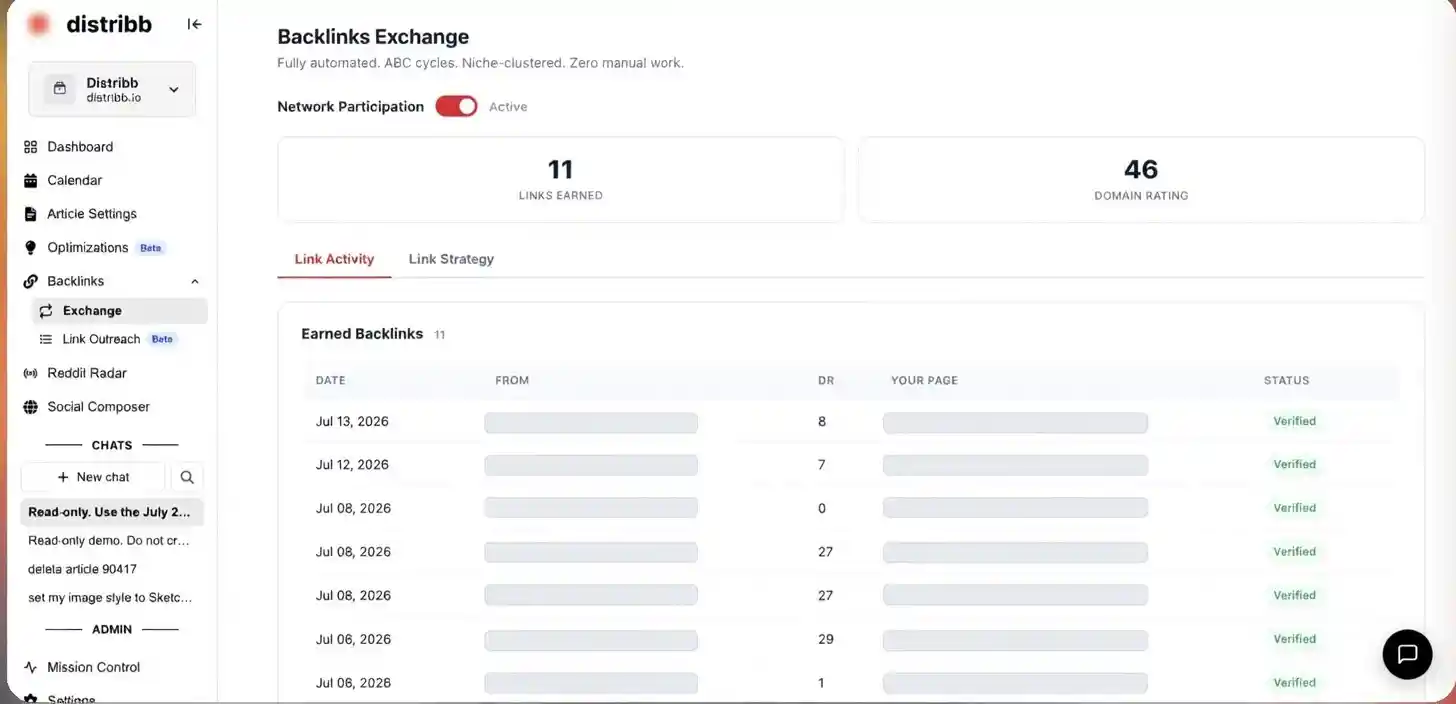
Distribb is a link exchange platform that uses an ABC routing model to avoid direct reciprocal link footprints, combined with automated content publishing and outreach tooling.
Distribb is the most clearly documented about the mechanics of how it avoids the direct swap pattern. No two sites in the network ever link directly to each other.
A three-month delay is enforced before any reverse path in the link graph can open. That is not independently verified through third-party auditing, but it is more specifically described than most platforms in this category.
How It Works
You connect your website, enable the exchange, and Distribb automatically places your links inside articles published across its network.
You give up to 5 outbound links per month through your own published articles; you receive 3 to 5 contextual backlinks per month from other businesses in your niche.
The exchange is built around three matching filters: same field or niche, real businesses only (no PBNs or link farms), and contextual placement inside genuine articles rather than footers or sidebars.
Pricing
| Plan | Monthly Price | Yearly Price | Articles | Backlinks | Link Outreach |
|---|---|---|---|---|---|
| Pro | $97/mo | $79/mo (billed $948/yr) | Up to 30/month (optional) | 3 to 5/month | Research + drafted pitches |
| Accelerator | $495/mo | $399/mo (billed $4,788/yr) | Up to 90/month (optional) | Priority placements | Done-for-you campaigns |
A 7-day free trial is available. Both plans include an automated content publishing feature, meaning the backlink exchange is bundled with an AI content workflow rather than sold as a standalone link building service.
For more on Distribb’s content publishing pricing, see the Distribb pricing breakdown.
What It Does Well
The ABC exchange model is the clearest feature advantage Distribb has over simpler platforms. There’s also a link outreach feature that identifies listicles and AI-cited sources in your niche and drafts or executes pitches to get your site added.
On the Pro plan, pitches are drafted for you. On Accelerator, Distribb runs the full outreach campaign including follow-ups.
The bundling of content, exchange, and outreach into one subscription is either an advantage or a limitation depending on how you intend to use it. If you want the backlink exchange without publishing 30 AI-generated articles per month, you can publish as few as 5 articles and still run the exchange.
What to Consider
The 3 to 5 backlinks per month figure is modest. If your site needs volume to compete in a high-authority niche, this pace will not be enough on its own.
The AI content requires human oversight. You should review articles before they publish, particularly those that carry outbound links to other network members, because those links reflect on your site’s linking patterns.
Who It Is Best For: Small businesses, SaaS companies, and solo site owners who want a low-maintenance link building component bundled with automated content publishing.
Who Should Avoid It: Sites in very narrow niches where matching options are limited. Sites that do not want to publish AI-assisted articles or give outbound links to a network.
2. BabyLoveGrowth AI
BabyLoveGrowth AI delivers 9 to 12 contextual backlinks per month from a vetted network of 4,000+ partner sites, included in a $99/month plan that also covers automated SEO article publishing and AI visibility tracking.
BabyLoveGrowth positions its backlink exchange as part of a broader SEO and generative engine optimization (GEO) platform. The backlink component is one piece of a larger tool that also includes AI-written articles, Reddit and Quora community positioning, and AI visibility tracking across ChatGPT, Claude, and Gemini.
How It Works
New members connect their domain, select the topics they want to be associated with, and links are automatically placed inside new articles published by other businesses in the network. Approximately 1 in 3 applicant sites pass the vetting process. Adult, illegal, gray-hat, and PBN sites are rejected or removed from the network.
Links are placed inside the body of new articles, not in footers, sidebars, or link pages.
Pricing
| Plan | Monthly Price | Billed Monthly | Articles | Backlinks | AI Prompts Tracked |
|---|---|---|---|---|---|
| Grow | $99/mo | $247/mo | 30 branded AEO/SEO articles | 9 to 12 contextual links | 10 prompts (ChatGPT, Claude, Gemini) |
| Scale | $399/mo | $599/mo | 120 articles, 4 languages | Higher-DR placements | 50 prompts |
A 3-day free trial is available. The vendor offers a 90-day money-back guarantee if organic visibility does not improve, though the eligibility terms should be reviewed carefully before relying on that claim.
You can read my full breakdown on BabyLoveGrowth AI pricing plans.
What It Does Well
The link volume (9 to 12 per month at the base tier) is higher than most platforms at the $99 price point. The inclusion of AI search visibility tracking is relevant for sites trying to monitor brand mentions across AI assistants.
The credit-based system with rollover is practical. Unused credits carry forward and links already placed remain on partner sites even if you cancel your subscription.
What to Consider
The exchange model is network-based rather than explicitly ABC-routed. Whether the link graph produced by a 4,000-site network creates detectable patterns at scale is not independently audited.
A vetting removes low-quality sites, but independent verification of the network quality is not available at the time of writing. You should use the link dashboard to review the actual source domains you receive links from.
Who It Is Best For: Content-led sites and ecommerce blogs wanting a combined automated content publishing and link building tool. Sites that also want basic AI search visibility tracking included.
Who Should Avoid It: Sites in very narrow niches where the network may have few relevant partners. Sites that want link building without the automated content publishing component.
For a detailed comparison, see BabyLoveGrowth AI vs Outrank.so.
3. Outrank.so
Outrank.so places your link inside full articles published on third-party blogs that have verified Google Search Console data showing at least 100 organic clicks per month, with a 90-day re-verification period after each placement.
Outrank.so operates differently from most exchange platforms in this list. It is not a community exchange where members give and receive links from each other.
It is a paid placement service where your credits are used to publish full articles about your product or service on vetted third-party blogs, with your link placed inside the content.
How It Works
You add your target pages (up to 10) and the anchor text you want used (up to 5 anchors per page). You set a minimum Domain Rating floor between 30 and 70. Outrank’s system identifies blogs in your niche that meet the traffic and DR requirements, writes a full article for that blog, publishes it through the blog’s CMS, and places your link inside the content.
The vendor requires each blog to connect its Google Search Console account, giving Outrank access to real click data rather than estimated traffic. Blogs with fewer than 100 organic clicks per month or fewer than 3 months of history are excluded.
Every link is re-checked every 2 days for 90 days. If a link disappears, the blog has 7 days to restore it, after which credits are refunded and the placement is retried at no additional cost.
Pricing
| Plan | Price | Credits/Month | Notes |
|---|---|---|---|
| Organic Growth | $99/mo | Not specified | High DR Backlinks built for you on auto-pilot with automated backlink building |
| Scale Backlinks | $899/mo | 1,400 credits | DR 60 blog = 240 credits. DR 30 = 120 credits. Unused credits roll over. |
At $899 per month and 1,400 credits, a site with a DR 45 floor could realistically receive 4 to 7 placements per month depending on niche availability. The vendor explicitly states they will not promise a specific number of links because placement only happens when a genuine niche match exists.
For full pricing details, see the Outrank.so pricing review.
What It Does Well
The GSC verification requirement is meaningful quality control that most exchange platforms do not apply. You are getting links from blogs that demonstrably receive organic search traffic rather than DR-inflated domains with no real audience.
The draft review option is useful. Before an article publishes, you can rewrite the title, body, or description, ask the AI to rewrite it, or regenerate the whole thing. Once it is live, it belongs to the host blog and you cannot change it.
The one-link-per-site limit prevents link concentration on the same domain, which is a sensible safeguard.
What to Consider
At $899 per month, Outrank.so sits in a different budget category from the other platforms in this list. For a solo blogger or small site, that is a difficult number to justify unless the niche and DR requirements align with consistent placement volume. The credit-per-placement model also means narrow niches could leave credits unused.
This is not an exchange in the traditional sense. You do not give links to receive links. You pay credits, and Outrank publishes on your behalf on other sites. That distinction matters for how you think about the risk profile.
Who It Is Best For: Marketing teams and agencies with meaningful monthly SEO budgets who want link placements on real, traffic-verified blogs without managing outreach or guest post production themselves.
Who Should Avoid It: Solo operators and small site owners for whom $899/month is not justifiable based on expected link volume.
4. BlogSEO
BlogSEO builds backlinks through a non-reciprocal network where any two sites are linked at most once in one direction, with crawler verification, automatic credit refunds for lost links, and a rate of up to 15 backlinks per month on the $97/month Ambition plan.
BlogSEO has been the most transparent of the platforms reviewed here about the mathematical properties of its link graph.
The founder has a research background in graph density and sparsity applied to search engines and the matching rules reflect that:
- no reciprocal links between any two sites
- same-owner sites never linked to each other
- one new backlink per day maximum
- one exchange link per article
How It Works
Members connect their site through one of 23+ publishing integrations. Once a paid plan is active, 100 backlink credits are added monthly. Each day at 5 AM UTC, the matching engine identifies relevant member sites based on topic closeness and publishing reliability.
Sites with high spam scores, same-owner sites, and sites already linked to yours are filtered out. Your link is written into the next article that linking site publishes, inside a sentence where it adds context.
Credits are charged when a placement is created. If a link does not verify within 10 days, credits are refunded automatically. A crawler checks every placed link every few days and automatically refunds and replaces links that disappear.
Pricing
| Plan | Price | Articles | Backlinks | Credits |
|---|---|---|---|---|
| Ambition | $97/mo | 30 SEO articles/month | Up to 15/month | 100 credits/month + 75 from AI Brain Credits |
Cancel anytime. A 3-day free trial is available. The backlink exchange is not active during the free trial.
What It Does Well
The non-reciprocal rule is BlogSEO’s strongest structural advantage. Network-based exchanges, when filtered for topical relevance and domain authority, deliver the strongest results with the lowest exposure. BlogSEO applies both of those filters and adds the non-reciprocal constraint on top.
The automatic refund mechanism means you do not need to monitor placements manually or file support requests when links disappear. That is a meaningful quality-of-life improvement over manual link building.
What to Consider
The credit cost per link scales with the linking site’s Domain Rating (credits equal to the site’s DR, with a minimum of 10). A month of high-DR placements means fewer total links. That is a reasonable tradeoff, but it means the “up to 15 per month” figure is a ceiling, not a guarantee.
Your own articles will carry outbound links to other network members. That is the exchange mechanic. You should review every article before it publishes to confirm the outbound link makes editorial sense in context.
Who It Is Best For: Bloggers, niche site operators, and content-led businesses who want automated backlink building with transparent graph controls and no manual outreach.
Who Should Avoid It: Sites that do not want to publish AI-assisted articles or give outbound links to other network members as part of the exchange.
5. RankYak
RankYak is a content-publishing and SEO automation platform that includes a network-based backlink exchange where links are matched on article-level relevance and editorial quality checks before placement.
RankYak positions the backlink exchange as one component of an automated SEO workflow that also covers keyword research, content creation, internal linking, and publishing. The exchange activates with one toggle and runs automatically as the site publishes new content.
How It Works
Only sites actively publishing through RankYak qualify for the exchange. Sites that stop publishing are removed. An automated risk check screens every participating site, and sites flagged as high-risk are excluded from both giving and receiving links.
Each placement is matched on the content of the individual article, then reviewed by an editorial pass that rejects weak topical fits.
Placement velocity is controlled. The same site links to yours at most once per month, and giving and receiving stay in approximate balance.
Pricing
A free trial is available and the Pro plan cost $99/month or $82.5/month when billed annually with the first two months free.
What It Does Well
The article-level matching (rather than site-level matching alone) is a meaningful distinction. A site being in your niche is a necessary condition, but the article containing your link also needs to be topically relevant to what you do.
That two-tier filter reduces the risk of contextually irrelevant placements landing in your link profile.
The live verification and post-placement monitoring mean the exchange does not operate as a black box. Every link status is visible in the dashboard.
What to Consider
The exchange is tied to the broader RankYak subscription rather than being purchasable separately.
Who It Is Best For: Sites already using or evaluating RankYak for broader SEO automation who want backlink building included in their workflow without managing a separate tool.
Who Should Avoid It: Sites looking for a standalone backlink exchange tool without the associated content automation workflow.
6. RankPill
RankPill’s backlink exchange is a vetted network where links scale with publishing cadence, offer a dashboard-controlled minimum DR filter, require CMS verification for every member site, and include live dofollow verification for every placed link.
RankPill is explicit about the structural choice it made: this is a network of independent businesses publishing real content, not a PBN where one operator controls multiple sites for cross-linking.
Whether that distinction holds in practice depends on the quality of the vetting process, which cannot be independently audited from outside the platform.
How It Works
Members opt into the exchange from the dashboard, set a minimum Domain Rating for sites they will accept links from, and the system automatically matches and places links as articles are published.
When RankPill publishes one of your articles, the system searches the exchange pool for a niche-relevant partner and embeds their link inside your post. A partner site does the same for you.
A background verification job confirms each link is live, dofollow, and on the correct URL before it counts toward earned backlinks. The full audit trail is visible in the dashboard: source domain, target URL, anchor text, and placement status.
The vendor claims link cadence scales with publishing frequency. A daily-publishing site could theoretically build 20 to 30 backlinks per month. That figure is not independently verified.
Pricing
$49.50 for first month, then $99 every month. $89/month when billed every 3 months or $82.5/month when billed yearly.
What It Does Well
The minimum DR filter you control is a useful safeguard. You can refuse links from low-authority sites without leaving the exchange entirely.
The vendor also describes a reasonable explanation for why this is not a PBN: member sites are independently owned, pay their own subscriptions, and publish for their own audiences.
The link graph should reflect independent businesses rather than a controlled cross-linking operation.
Who It Is Best For: SaaS founders, bootstrapped media sites, ecommerce blogs, and content-focused agencies wanting a vetted exchange with transparent audit trails.
Who Should Avoid It: Sites that publish infrequently. Link cadence ties directly to publishing frequency, so low-volume publishers will see slower results.
7. RightBlogger
RightBlogger’s backlink exchange uses semantic niche matching and requires Google Search Console verification plus a Domain Rank of at least 15 for every member site, with links placed only when two pages are a strong topical fit.
RightBlogger is primarily an AI writing and blog automation tool. The backlink exchange is included in paid plans rather than sold separately, which means evaluating the exchange requires also evaluating the broader content tool.
How It Works
Each member site joins the network independently after passing two eligibility checks: Google Search Console verification and a Domain Rank of at least 15.
When you write an article inside RightBlogger’s editor with links enabled, the system looks for a genuinely relevant partner page in the network. If a match is found, you add the link to your article before publishing. Other members do the same back to your site.
The platform enforces long cooldowns between any two domains to prevent the same two sites from accumulating multiple reciprocal links. The exchange is opt-in and can be turned off at any time.
Pricing
| Plan | Monthly Price | Yearly Price | Sites Included | Exchange Included |
|---|---|---|---|---|
| Solo | $59/mo | $49/mo | 1 site | Yes |
| Pro | $89/mo | $69/mo | 3 sites | Yes |
| Agency | $299/mo | $199/mo | 10 sites | Yes |
A 7-day free trial is available. A free account with 2,000 words per month is also available, though the backlink exchange requires a paid plan and Domain Rank eligibility.
What It Does Well
The DR 15+ floor and GSC verification requirement are meaningful gatekeeping for the network size. The semantic matching at the article level reduces the risk of irrelevant links landing in your profile.
RightBlogger is also the most affordable platform in this list with publicly available pricing. The Solo plan at $49/month annually includes the exchange, AI writing, automated publishing, and 30 SEO reports per month.
What to Consider
The exchange runs slowly by design. The vendor is explicit: most sites wait a month or more for their first link, longer in small niches. If your primary goal is link volume in the short term, this is not the right platform.
The exchange works best for patient site operators who see it as a supplementary authority-building layer rather than a primary link acquisition strategy.
The DR 15+ minimum, while a reasonable floor, means newer sites are excluded until they cross that threshold. A waitlist is available for sites below DR 15, with automatic enrollment once eligibility is met.
Who It Is Best For: Bloggers and small multi-site owners already using or interested in RightBlogger for content automation who want backlink building included at no additional cost.
Who Should Avoid It: Sites in very narrow niches with few potential matching partners. Sites that need consistent, volume link building rather than a slow, natural-looking accumulation.
For more detail on RightBlogger’s pricing structure, see the RightBlogger pricing breakdown.
The Risk Question Every SEO Should Answer Before Using These Platforms
The platforms in this article all present their approach as safe for SEO. Some of the structural arguments are reasonable. Three-way and network-based exchanges are safer because the link graph looks more natural to crawlers.
Non-reciprocal rules, editorial placement, and DR filters reduce the obvious footprints that spam detection targets.
But none of these platforms can guarantee that links placed through their networks are immune to Google’s detection systems.
Google’s SpamBrain system, significantly upgraded through the August 2025 spam update, applies machine learning to link quality evaluation at the network level.
Machine learning systems detect patterns humans have not explicitly defined, which means a new pattern could become detectable without any policy change.
Google’s current spam policies categorize the following specific violations: buying or selling links that pass PageRank, excessive link exchanges, large-scale article marketing or guest posting campaigns, and automated link building using software or services to create link exchange arrangements at scale.
The platforms reviewed here use automation to place links at scale. Whether that automated network link placement is categorically different from “automated link building” in Google’s policy language is a question without a clean answer.
The structural protections each platform describes reduce risk compared with crude direct swaps, but they do not eliminate it.
Manual Outreach vs. Platform Exchange: A Practical Comparison
Based on my 30-day testing of automated SEO workflows across multiple sites, manual link outreach is still the most reliable method for acquiring links that are unambiguously safe and contextually relevant.
The tradeoff is time and cost. Outreach requires consistent effort, and the response rates are consistently low across the industry.
Platform-based backlink exchanges remove the manual work but introduce a different kind of risk: the quality of the network is outside your direct control. You are trusting the platform’s vetting processes, matching algorithms, and structural safeguards to produce links that Google will not penalize.
| Approach | Time Cost | Financial Cost | Link Quality Control | Google Risk |
|---|---|---|---|---|
| Manual outreach | Very high (prospecting, pitching, follow-ups) | Tooling costs + time | High (you vet every site) | Low, if done carefully |
| Paid link placement | Low | $200 to $500+ per link (estimated) | Medium (depends on vendor) | High (violates policy) |
| Platform-based exchange | Low after setup | $79 to $899/month | Medium (depends on platform vetting) | Medium, varies by model |
| Editorial link earning | High (content quality required) | Time and content costs | Highest (links earned naturally) | Lowest |
The Automation Question
From my experience testing automated SEO workflows, automation genuinely saves time on repetitive tasks. Collecting keyword data, generating reports, publishing content at scale, and monitoring link profiles are all well-suited to automation.
Where automation creates problems is when it removes human review from decisions that require editorial judgment.
Backlink exchange platforms automate the matching, placement, and monitoring of links. That removes significant outreach overhead. But you should still review every outbound link your site places, confirm that the anchor text and surrounding content make editorial sense, and monitor your inbound link dashboard regularly to catch low-quality placements before they accumulate.
The best SEO automation tools are not the ones that automate the most tasks. They are the ones that remove repetitive steps without creating another layer of cleanup. That applies directly to backlink exchange platforms. The setup may be simple, but oversight is not optional.
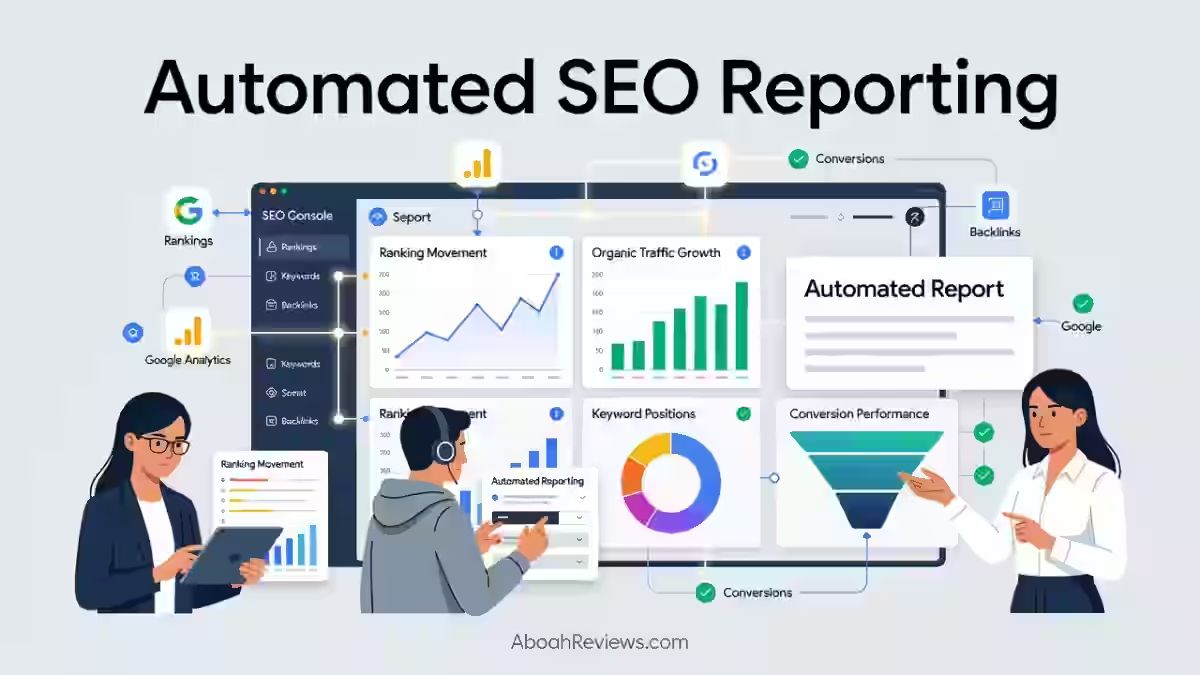
For more on how SEO automation affects reporting and monitoring, the automated SEO reporting guide covers how to track link-related metrics automatically.
The Practical Takeaway
Backlink exchange platforms in 2026 are more sophisticated than the crude link swap directories of the early 2000s. The structural controls on non-reciprocal routing, relevance matching, DR floors, and link verification are real improvements over direct swap arrangements.
But the risk is not zero. Google’s SpamBrain system now continuously reassesses a site’s entire backlink profile with machine learning, and it treats large-scale link buying and exchange schemes as a domain-level risk rather than a per-link one. Any automated system that places links at scale operates in that threat environment.
If you decide to use one of these platforms, choose one with non-reciprocal or ABC routing, meaningful site vetting, article-level topical matching, verified dofollow placement, and full dashboard transparency.
Use the link dashboard regularly. Review every outbound link your site publishes. And do not treat the exchange as your only link building method. Pair it with content worth linking to naturally.
The platforms that make the most sense for most sites are BlogSEO at $97/month for its non-reciprocal controls and transparent graph rules, BabyLoveGrowth at $99/month for link volume and AI visibility tracking bundled together, and RightBlogger at $59/month for budget-conscious bloggers who want a slow-build, low-maintenance exchange alongside content automation.
Outrank.so is the right choice for teams with a real monthly link building budget who want placements on GSC-verified, traffic-confirmed blogs rather than a community exchange network.
No platform on this list replaces the authority signals that come from earning links through genuinely useful, well-referenced content. That remains the lowest-risk and longest-lasting form of link building available. Use these platforms as a supplement, not a substitute, and maintain enough human oversight to catch problems before they compound.
Frequently Asked Questions About Backlink Exchange
1. Are backlinks still relevant in 2026?
Yes, backlinks remain an important SEO ranking signal in 2026, helping search engines assess a website’s authority, credibility, and relevance. However, quality, topical relevance, and natural link acquisition matter more than simply accumulating large numbers of links.
2. What is the best backlink tool?
The best backlink tool depends on your goals. Ahrefs is excellent for backlink analysis and competitor research, Semrush offers comprehensive link-building and backlink auditing features, and Distribb combines content creation, backlink exchange, and content distribution.
3. What is a backlink example?
A backlink is a hyperlink from one website to another. For example, if a marketing blog publishes an article containing a link to AboahReviews.com, that link is a backlink to AboahReviews.com.
4. How much does a backlink cost?
Backlink prices vary from free to hundreds or thousands of dollars, depending on the website’s authority, niche relevance, traffic, and placement. Editorial backlinks earned through valuable content cost time and resources, while sponsored placements and paid link-building services have varying fees.
5. Is buying backlinks a good or bad idea?
Buying backlinks specifically to manipulate search rankings violates Google’s spam policies and can expose your website to ranking penalties. Paying for legitimate advertising or sponsored placements can be acceptable when links are appropriately qualified with rel=”sponsored” or rel=”nofollow”.
6. Where can I get free backlinks?
You can earn free backlinks through guest contributions, industry directories, business profiles, relevant community discussions, resource pages, and digital PR. Creating original research, useful statistics, and link-worthy resources can also attract natural backlinks.
7. What are the best sites for free backlinks in 2026?
Consider LinkedIn, Medium, Reddit, Quora, GitHub, and relevant industry directories, depending on your niche and audience. These platforms can help build visibility and referral traffic, but links may be nofollow or otherwise provide limited direct SEO value.
8. What is the best way to get backlinks?
The best approach is to publish genuinely useful content, conduct targeted outreach, contribute expert articles to relevant websites, and build relationships with publishers in your industry. Prioritize editorial backlinks from relevant, trustworthy websites over mass link exchanges or automated link-building schemes.

- SEO Instant Appear HighSoftware99.com: Full Breakdown - October 18, 2026
- SEO by HighSoftware99.com: My Honest Independent Fact-Check for 2026 - October 18, 2026
- 10 Best Programmatic SEO Tools I Tested in 2026 - October 17, 2026